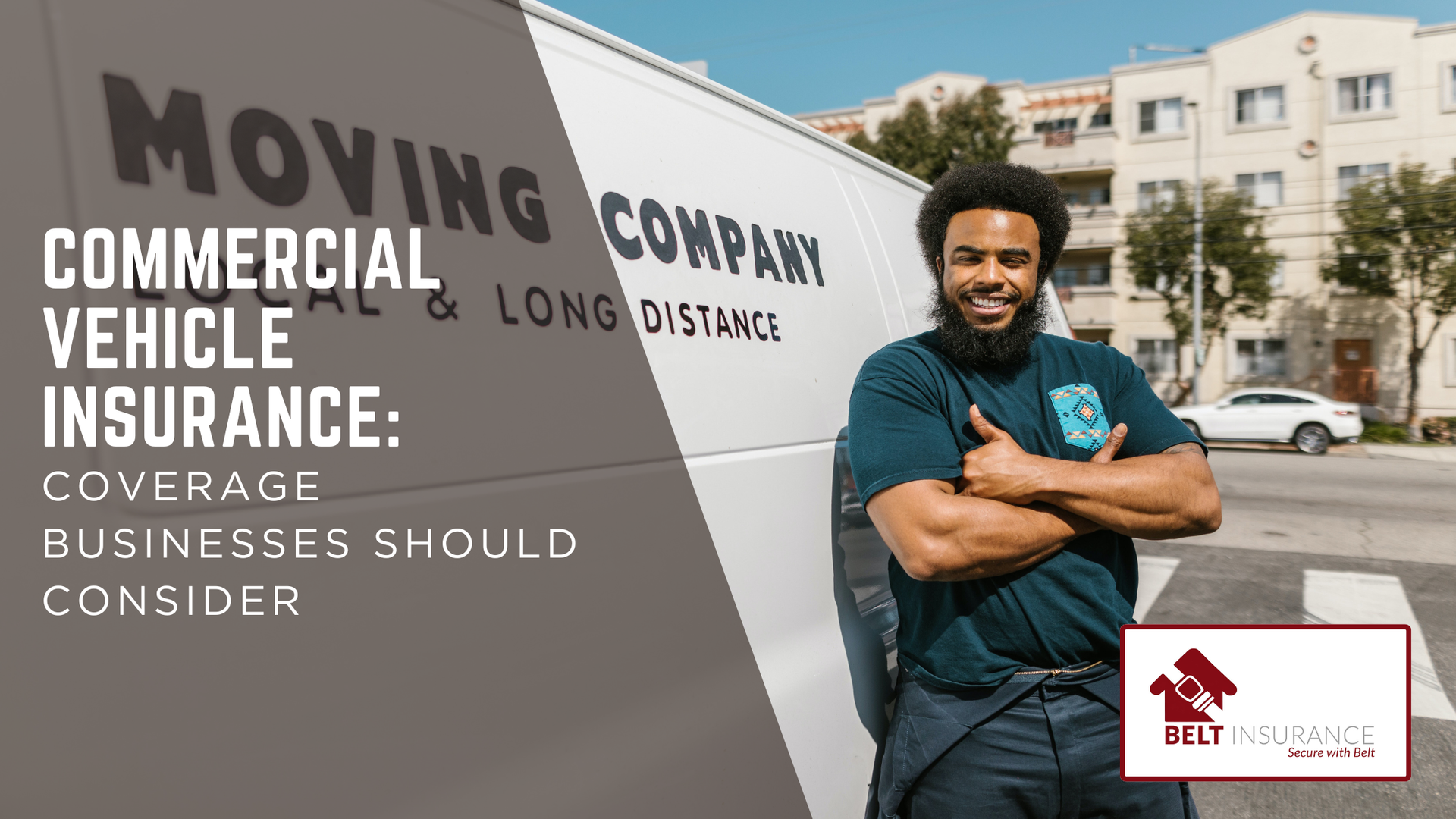
Business-owned vehicles can create financial risks that extend far beyond the cost of repairing a damaged car or truck. For companies in Pataskala, OH, choosing commercial vehicle insurance carefully can help protect against liability claims, physical damage, employee driving exposures, and other losses connected to everyday business operations.
Why Commercial Vehicles Need Different Coverage
Commercial auto insurance is designed for vehicles used primarily for business purposes.
A personal auto policy may not provide appropriate protection when a vehicle is owned by a business, driven regularly by employees, used for deliveries, or carries equipment between job locations.
In our work with business owners, a common issue we see is assuming that occasional business use automatically fits under a personal policy.
The actual use of the vehicle matters.
Commercial exposure can include:
- Customer visits
- Deliveries
- Transporting tools
- Moving materials
- Service calls
- Employee travel
- Towing trailers
Businesses should describe these activities accurately when applying for coverage.
Liability Coverage Is a Core Protection
Commercial auto liability coverage can help when a covered driver causes an accident that results in bodily injury or property damage to another person.
Potential claims may involve:
- Medical expenses
- Vehicle repairs
- Damaged buildings or other property
- Lost income
- Legal defense
- Settlements or judgments
A serious commercial accident can become expensive quickly, particularly when multiple vehicles or serious injuries are involved.
Liability limits should reflect the size and activities of the business rather than simply the value of the insured vehicle.
A modestly priced work van can still cause a major liability claim.
Collision Coverage Protects the Business Vehicle
Collision coverage generally helps repair or replace an insured commercial vehicle after covered impact damage.
Examples may include:
- Crashing into another vehicle
- Hitting a pole
- Backing into a wall
- Striking a guardrail
- A single-vehicle rollover
Collision coverage usually has a deductible.
The business should choose a deductible that balances premium savings with the amount it could comfortably pay after a loss.
For example, a $2,500 deductible may lower the premium, but it could create a cash-flow problem if several company vehicles are damaged around the same time.
Comprehensive Coverage Addresses Non-Collision Losses
Comprehensive coverage generally protects against certain losses unrelated to a traditional crash.
Examples may include:
- Theft
- Vandalism
- Hail
- Fire
- Flooding
- Falling objects
- Broken glass
- Certain animal collisions
For vehicles parked overnight near business areas along Broad Street or used throughout surrounding commercial corridors, theft and weather exposure may be just as relevant as collision risk.
Businesses should also distinguish between damage to the vehicle and damage to property stored inside it.
Commercial auto coverage may protect the vehicle itself, while tools, equipment, or inventory may require separate coverage.
Uninsured and Underinsured Motorist Coverage Can Matter
A business driver may be involved in an accident caused by someone who has no insurance or insufficient liability limits.
Uninsured and underinsured motorist coverage may help in certain circumstances, depending on the policy and applicable rules.
This protection can be particularly important for businesses whose vehicles spend many hours on the road.
Even a company with strong liability limits can still suffer financial loss when another driver causes the accident.
Owners should review this coverage separately rather than assuming it is automatically included at the desired level.
Hired Auto Coverage Can Protect Temporary Vehicle Use
Businesses sometimes rent or lease vehicles for short periods.
Examples include:
- Renting a van during peak demand
- Using a temporary replacement vehicle
- Renting a car for business travel
- Leasing extra vehicles for a project
Hired auto liability coverage may help address certain liability exposures associated with those vehicles.
Physical damage to a hired vehicle may require separate protection.
Before renting a vehicle, business owners should verify how their commercial auto policy applies instead of relying solely on the rental company's agreement.
Non-Owned Auto Coverage Addresses Employee-Owned Vehicles
Employees sometimes use their personal vehicles for business purposes.
They may drive to:
- Meet customers
- Pick up supplies
- Visit another office
- Make deliveries
- Attend business meetings
The employee's personal auto insurance may respond first after an accident, but the business could still face liability exposure.
Non-owned auto liability coverage may help protect the company in certain situations.
It does not replace the employee's personal insurance.
Businesses that regularly ask employees to use personal vehicles should confirm that this exposure is addressed.
Employee Drivers Should Be Properly Disclosed
Who drives the vehicle can affect both underwriting and claim handling.
Insurers may review:
- Driver age
- License status
- Accident history
- Violations
- Driving experience
- Type of vehicle operated
Businesses should maintain an accurate list of regular drivers and notify the insurer when staffing changes.
Allowing an employee who is excluded or not eligible under the policy to operate a company vehicle can create serious complications.
A written driver policy can also help set expectations involving safe driving, vehicle use, distracted driving, and accident reporting.
Tools and Equipment May Need Separate Insurance
Service businesses and contractors often carry valuable property inside work vehicles.
Examples include:
- Power tools
- Testing equipment
- Computers
- Inventory
- Specialized machinery
- Replacement parts
Commercial auto insurance generally focuses on the vehicle itself and automobile-related liability.
The equipment inside may need inland marine, contractors equipment, or another form of business property coverage.
For a contractor working near areas such as Foundation Park, losing both a work van and thousands of dollars in tools could disrupt operations significantly.
Businesses should inventory what is regularly transported and confirm how it is insured.
Trailers Need to Be Addressed Too
Businesses may use trailers to move landscaping equipment, construction materials, machinery, or other property.
Trailer coverage can depend on ownership, size, use, and policy terms.
Liability arising from towing may be addressed differently from physical damage to the trailer itself.
The property being transported may require separate coverage as well.
Business owners should disclose trailers rather than assuming they are automatically protected simply because they are attached to an insured truck.
Rental Reimbursement Can Reduce Downtime
A damaged
commercial vehicle can affect revenue even when repairs are fully covered.
If a service technician, salesperson, or delivery driver cannot work without a vehicle, downtime can become expensive.
Rental reimbursement or substitute transportation coverage may help with certain temporary vehicle costs after a covered loss.
This can be especially useful for companies with only one or two vehicles.
The cost of the rental benefit should be weighed against the potential business interruption caused by losing a critical vehicle.
Commercial Umbrella Insurance Can Add Liability Limits
Some businesses need more liability protection than the underlying
commercial auto policy provides.
Commercial umbrella or excess liability insurance may provide additional limits above eligible underlying policies, subject to contract terms.
This may be worth considering for companies with:
- Larger fleets
- Frequent highway driving
- Heavy vehicles
- Significant assets
- Contractual insurance requirements
- Higher passenger exposure
The greater the potential severity of an accident, the more important liability-limit planning becomes.
Review Coverage Whenever Operations Change
Commercial auto exposure can change quickly.
An insurance review is appropriate after:
- Buying or selling vehicles
- Hiring new drivers
- Expanding delivery areas
- Adding trailers
- Purchasing heavier vehicles
- Starting delivery service
- Transporting different equipment
Businesses in Pataskala, OH should also review vehicle schedules and driver lists at renewal to confirm the insurer's records remain accurate.
Outdated information can create unnecessary underwriting or claims problems.
Conclusion
Commercial vehicle insurance should be built around how a business actually uses its cars, vans, trucks, trailers, and employee-driven vehicles. Liability, collision, comprehensive, uninsured motorist, hired and non-owned auto, equipment protection, and adequate limits can all play a role in creating a more complete commercial auto program.
At Belt Insurance Agency, we believe in protecting what matters most to you. Our experienced team is here to help you find insurance coverage that’s both affordable and customized to your unique needs. Contact us today at (740) 927-1469 or
CLICK HERE to request your free quote.
Disclaimer: The content of this blog is intended solely for general informational use. For advice tailored to your situation, consult a licensed insurance professional who can offer expert recommendations.
Belt Insurance Agency
Pataskala, OH
(740) 927-1469
https://www.beltinsurance.com/