Running a small business means making constant decisions about cash flow, staffing, customers, and growth, but insurance often gets attention only after a problem appears. For many businesses in Pataskala, OH, the smarter approach is to review the main coverage types before a lawsuit, property loss, employee injury, or shutdown turns into a much more expensive lesson.
Why Small Businesses Need An Insurance Checklist
Small businesses often do not need every
insurance policy available, but they do need the right ones for the way they actually operate. A contractor, consultant, retailer, food business, office, and home-based business can all have very different exposures even if they are similar in size. That is why a checklist approach works so well. It helps business owners review the major risk categories instead of assuming that one general policy takes care of everything.
A common issue we see is a business owner saying, “I have business insurance,” when they really mean they have only one policy, often purchased to satisfy a lease or contract. That may be a good start, but it does not automatically mean the business is covered for property damage, cyber risk, employee injuries, vehicles, professional mistakes, or lost income after a shutdown.
General Liability Insurance
General liability insurance is one of the most common starting points for small
business coverage. It helps protect the business if someone alleges bodily injury, property damage, or certain personal and advertising injuries tied to the business’s operations.
This can matter if a customer slips and falls in your store, a vendor is injured on your property, or your business accidentally damages a client’s property while performing work. In our work with clients, one of the most common misunderstandings is assuming general liability covers every kind of lawsuit. It does not. It is foundational, but it is not a substitute for professional liability, workers’ compensation, commercial auto, or other specialized policies.
If your business has customer traffic, vendor visits, jobsite exposure, or even occasional face-to-face interaction, general liability is usually worth serious attention.
Commercial Property Insurance
Commercial property insurance helps protect the physical assets your business owns or uses. This may include the building if you own it, along with furniture, computers, inventory, tools, machinery, fixtures, displays, and other business personal property.
A common issue we see is a business owner focusing only on the major equipment and forgetting how expensive it would be to replace everything else after a fire or severe loss. Shelving, office furniture, point-of-sale systems, signage, appliances, and stock can add up very quickly.
Around Foundation Park or commercial areas near Broad Street, small businesses often operate from leased spaces and assume the landlord’s insurance protects the inside of the business. Usually, the landlord’s coverage is for the building itself, not the tenant’s business property.
Business Owner’s Policy (BOP)
A
Business Owner’s Policy, or BOP, combines several key coverages into one package. It often includes general liability, commercial property, and business interruption protection. For many smaller businesses with relatively straightforward operations, a BOP can be a practical and cost-efficient way to build a core insurance foundation.
This is especially useful for offices, shops, certain service businesses, and some small retail operations. A common issue we see is a business buying a BOP and assuming that means every business risk is now covered. A BOP can be an excellent start, but it still may not include workers’ compensation, commercial auto, cyber insurance, or professional liability.
A checklist should treat a BOP as a strong base, not as the automatic final answer.
Business Interruption Insurance
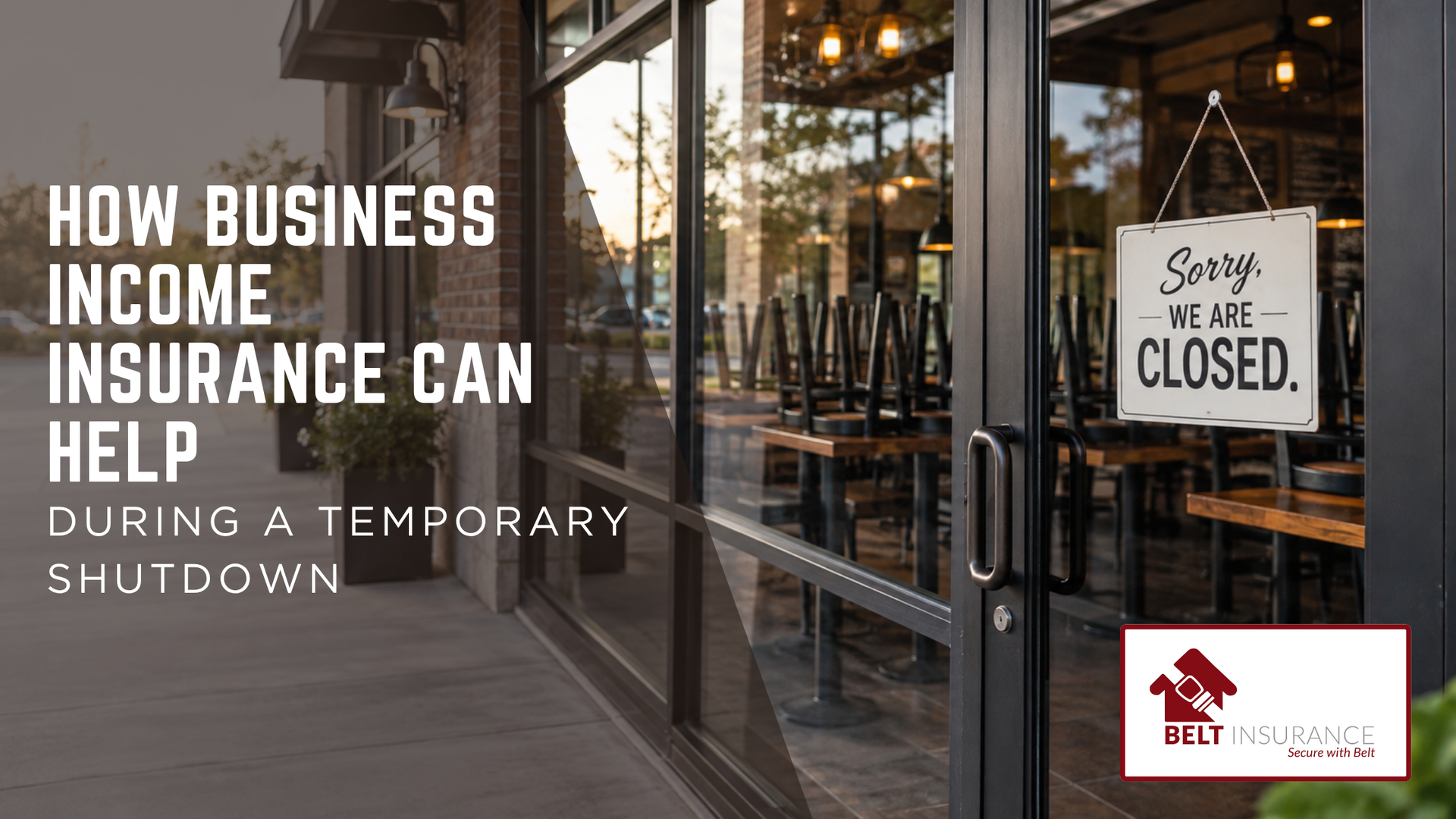
Business interruption insurance, also called business income coverage, helps protect against lost income when the business must close or reduce operations after covered property damage. This can be one of the most overlooked forms of protection because owners often think first about replacing damaged property, not about surviving the downtime.
If a fire, major water loss, or other covered property event shuts down your business for weeks, the problem is not only repair cost. You may also lose revenue while rent, loan payments, payroll obligations, and other expenses continue. A common issue we see is a business owner insuring the contents and building but not asking how the business will handle a prolonged interruption.
For businesses in Pataskala, OH, this is especially important when the company depends on daily customer flow, appointments, inventory turnover, or in-person operations that cannot simply shift online overnight.
Workers’ Compensation Insurance
If your business has employees, workers’ compensation is one of the most important coverages to review. It generally helps with work-related injuries or occupational illnesses by addressing medical care, wage-related benefits, and other obligations required under applicable law.
Many owners assume this matters only for physically demanding jobs. But office staff, retail employees, delivery workers, and service employees can all suffer work-related injuries. A common issue we see is a small business thinking it is “low risk” and underestimating how disruptive one employee injury can become.
This is also an area where state rules matter, so requirements should be reviewed carefully based on your business size and staffing setup.
Commercial Auto Insurance
If your business owns vehicles, uses vehicles for company operations, or has employees driving for work, commercial auto insurance may be necessary. Personal auto insurance is not always designed to handle business-use exposure, and relying on the wrong policy can create serious gaps.
Commercial auto may help with liability claims, vehicle damage, and other covered losses involving business vehicles. This can matter for contractors, delivery businesses, service companies, mobile professionals, or any operation where driving is part of the job.
A common issue we see is a small business using personal vehicles for deliveries, client visits, or errands without reviewing whether the insurance actually matches that use. That mismatch often stays hidden until a claim happens.
Professional Liability Insurance
Professional liability insurance, often called errors and omissions insurance, is designed for
businesses that provide advice, expertise, design, analysis, or specialized services. It helps address claims that your professional work caused financial harm to a client.
This is different from general liability. General liability usually focuses on physical injury or property damage. Professional liability focuses on financial loss from professional mistakes, oversights, or service issues.
This may be important for consultants, marketing firms, bookkeepers, technology providers, financial service professionals, designers, and other service-based businesses. A common issue we see is a business carrying general liability and assuming it will respond to a claim that the company gave bad advice or performed a service incorrectly. Usually, that is a separate professional liability issue.
Cyber Insurance
Cyber insurance has become increasingly important for small businesses that store customer information, process payments, use cloud software, rely on email, or run operations through digital systems. This coverage may help with expenses tied to data breaches, ransomware, system interruption, notification costs, and certain liability claims, depending on the policy.
A common issue we see is a business owner saying, “We are too small to be a cyber target.” But many cyber events affect smaller businesses precisely because they often have fewer safeguards and can be easier targets.
Even a modest business that stores customer names, payment information, or internal records may have more cyber exposure than the owner realizes.
Commercial Umbrella Insurance
A commercial umbrella policy provides additional liability protection above certain underlying policies, such as general liability, commercial auto, and employers liability, depending on the structure. This can be valuable when a severe claim pushes beyond the base policy limits.
Not every small business needs umbrella coverage right away, but some absolutely should consider it. If your business has customer traffic, multiple vehicles, property exposure, or meaningful assets to protect, this extra layer may be worth reviewing. A common issue we see is an owner carrying decent base liability limits but never asking what happens if one especially serious claim exceeds them.
A Practical Coverage Checklist
A useful small business insurance checklist often starts with these questions:
- Does the business have customer, client, or vendor foot traffic?
- Does it own property, equipment, inventory, or tools that would be costly to replace?
- Would a shutdown create serious lost-income pressure?
- Does it have employees?
- Are vehicles used for company operations?
- Does it provide advice, consulting, design, or specialized services?
- Does it store customer information or rely heavily on digital systems?
- Would one large liability claim threaten the company financially?
These questions usually make it much easier to identify which coverages deserve priority.
Conclusion
A small
business insurance checklist should help answer one practical question: what could seriously damage this business financially, and is there coverage in place for it? For many companies, that means reviewing general liability, property insurance, a BOP, business interruption, workers’ compensation, commercial auto, professional liability, cyber insurance, and sometimes umbrella coverage. The right answer depends on the business, but the mistake is assuming one policy alone covers every risk.
For small business owners in Pataskala, OH, taking time to review insurance with a checklist mindset can help uncover gaps before they become expensive problems.
At Belt Insurance Agency, we believe in protecting what matters most to you. Our experienced team is here to help you find insurance coverage that’s both affordable and customized to your unique needs. Contact us today at (740) 927-1469 or CLICK HERE to request your free quote.
Disclaimer: The content of this blog is intended solely for general informational use. For advice tailored to your situation, consult a licensed insurance professional who can offer expert recommendations.
Belt Insurance Agency
Pataskala, OH
(740) 927-1469
https://www.beltinsurance.com/