Homeowners in Pataskala, OH may see “HO-3” on insurance documents without knowing exactly what that designation means. Understanding how this common homeowners policy is structured can make it easier to evaluate coverage, identify gaps, and ask better questions before a claim occurs.
What Is an HO-3 Homeowners Insurance Policy?
An
HO-3 policy is one of the most commonly used forms of homeowners insurance for owner-occupied houses. It typically combines protection for the home, personal belongings, liability exposures, and certain additional living expenses when a covered loss makes the residence temporarily uninhabitable.
One important feature of an HO-3 policy is how it treats the dwelling compared with personal property. The dwelling is generally insured on an “open-perils” basis, meaning it is covered for direct physical loss unless the cause is specifically excluded. Personal belongings are typically insured on a “named-perils” basis, meaning coverage applies when damage is caused by a peril listed in the policy.
What Does an HO-3 Policy Typically Include?
While policy language and endorsements vary by insurer, an
HO-3 generally includes several major coverage categories:
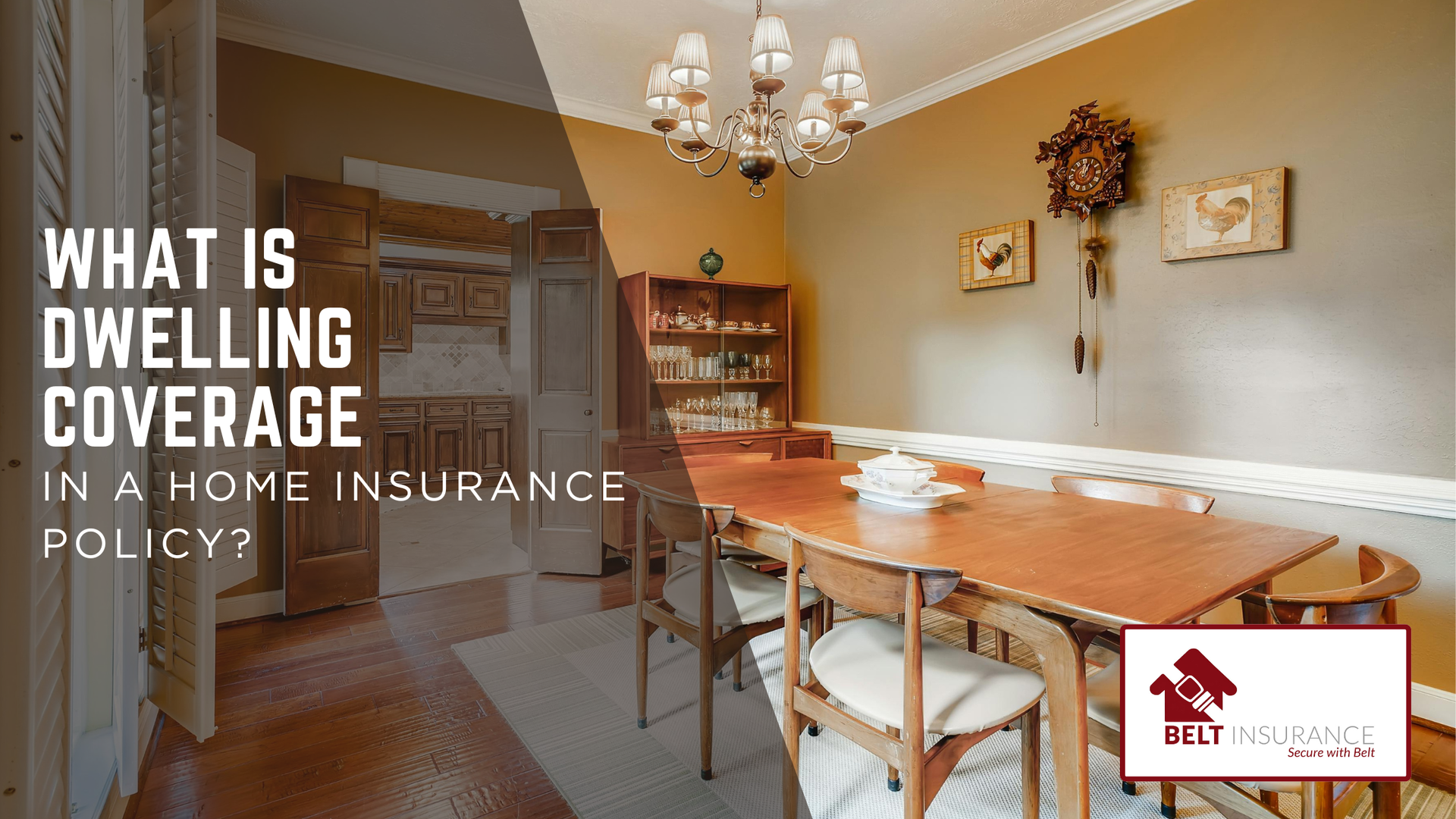
- Dwelling coverage helps repair or rebuild the main structure after a covered loss.
- Other structures coverage generally applies to detached structures such as a garage, shed, or certain fences.
- Personal property coverage helps protect belongings such as furniture, clothing, and electronics after covered losses.
- Loss of use coverage may help with additional living expenses if a covered loss makes the home temporarily unfit to live in.
- Personal liability coverage may help when the policyholder is legally responsible for bodily injury or property damage to someone else.
- Medical payments coverage can help pay certain medical expenses when a guest is injured on the property, subject to policy terms.
What Does “Open Perils” Really Mean?
Open-perils coverage is broad, but it does not mean every possible event is insured. The dwelling is generally covered for accidental direct physical loss unless an exclusion applies.
Common exclusions may include flooding, earthquakes or earth movement, normal wear and tear, neglect, deterioration, insects or vermin, and certain water or sewer-related losses. Exact exclusions vary, which is why the actual
policy language matters.
For example, if strong winds damage the roof of a home near Foundation Park, the dwelling portion of an HO-3 policy may respond if wind is not excluded and the damage otherwise meets the policy terms. Gradual roof deterioration caused by age, however, would generally be considered maintenance rather than a sudden covered loss.
How Personal Property Coverage Works
Personal belongings are handled differently under a typical
HO-3 form. Instead of covering everything except listed exclusions, the policy generally covers belongings for specified causes of loss.
Named perils can include events such as fire, lightning, theft, vandalism, windstorm, and certain types of water damage. The precise list should always be confirmed in the policy.
Another important detail is valuation. Some policies settle personal property losses at actual cash value, which accounts for depreciation. Replacement cost coverage may be available by endorsement and can provide broader reimbursement for replacing eligible belongings with new items of similar kind and quality.
Understanding Your Coverage Limits
A
policy limit is the maximum amount the insurer will pay for a covered loss, subject to deductibles, sublimits, exclusions, and other terms. Homeowners should pay particular attention to the dwelling limit because it should generally reflect the estimated cost to rebuild the home, not its real estate market price.
Certain categories of personal property may also have special limits. Jewelry, collectibles, money, watercraft, and other valuable items can be subject to lower sublimits for certain losses. Homeowners with higher-value possessions may want to discuss scheduled personal property coverage or other endorsements.
In our work with clients in Pataskala, OH, a common issue we see is homeowners focusing primarily on premium without reviewing the limits and deductibles that determine how much protection is actually available. A lower-priced policy is not necessarily a better value if important limits do not match the household’s needs.
Deductibles Matter During a Claim
The deductible is the amount the policyholder is responsible for before insurance begins paying an eligible property claim. A higher deductible can reduce premium, but it also increases the homeowner’s out-of-pocket responsibility.
Some
policies may have different deductibles for certain causes of loss. Homeowners should know whether their policy includes special wind, hail, or other deductibles and whether those amounts are stated as a fixed dollar amount or percentage.
Someone living near the Broad Street corridor should be able to answer a simple question before a loss occurs: “If I filed a covered property claim tomorrow, how much would I be responsible for first?”
Useful HO-3 Endorsements to Review
Standard coverage may be adjusted with endorsements. Depending on the home and insurer, useful options may include:
- Water or sewer backup coverage
- Scheduled coverage for valuable personal property
- Replacement cost coverage for personal belongings
- Equipment breakdown coverage
- Service line coverage
- Ordinance or law coverage
Not every endorsement is appropriate for every household. The goal is to match coverage to the home, belongings, financial exposure, and risks that matter to the homeowner.
Conclusion
An
HO-3 homeowners policy can provide broad protection for the dwelling while also covering personal property, liability, additional living expenses, and other common household risks. The key is understanding that coverage is still governed by limits, deductibles, exclusions, named perils, and endorsements.
Reviewing those details before a loss gives homeowners a clearer picture of what their policy is designed to do. If the home has been renovated, construction costs have changed, or valuable belongings have been added, a policy review can help determine whether existing limits and optional coverages still make sense.
At Belt Insurance Agency, we believe in protecting what matters most to you. Our experienced team is here to help you find insurance coverage that’s both affordable and customized to your unique needs. Contact us today at (740) 927-1469 or
CLICK HERE to request your free quote.
Disclaimer: The content of this blog is intended solely for general informational use. For advice tailored to your situation, consult a licensed insurance professional who can offer expert recommendations.
Belt Insurance Agency
Pataskala, OH
(740) 927-1469
https://www.beltinsurance.com/